
In many Indian homes today, a common piece of advice is often heard“Stop eating rice and switch to chapathi if you want to be healthy.” This belief has become so widespread that many people assume avoiding rice is the key to weight loss and better health. However, this idea is more of a myth than a fact. The real issue is not whether you eat rice or chapathi, but how much you eat and how balanced your overall diet is.
At the same time, India is witnessing a rapid rise in non-communicable diseases (NCDs) such as diabetes, hypertension, cardiovascular diseases, and obesity. According to national and global health reports, NCDs now account for more than 60% of total deaths in India, and the numbers continue to increase each year. A major contributing factor to this growing burden is unhealthy dietary practices, combined with sedentary lifestyles and lack of awareness.
Carbohydrates are an essential part of our daily nutrition, as they serve as the body’s main source of energy. Both rice and chapathi fall under this category. While rice is quickly digested and provides instant energy, chapathi, especially when made from whole wheat, digests a little slower due to its fiber content. Despite this small difference, both foods provide similar amounts of carbohydrates and calories. This means that simply replacing rice with chapathi does not significantly reduce your carbohydrate intake, nor does it automatically make your diet healthier.
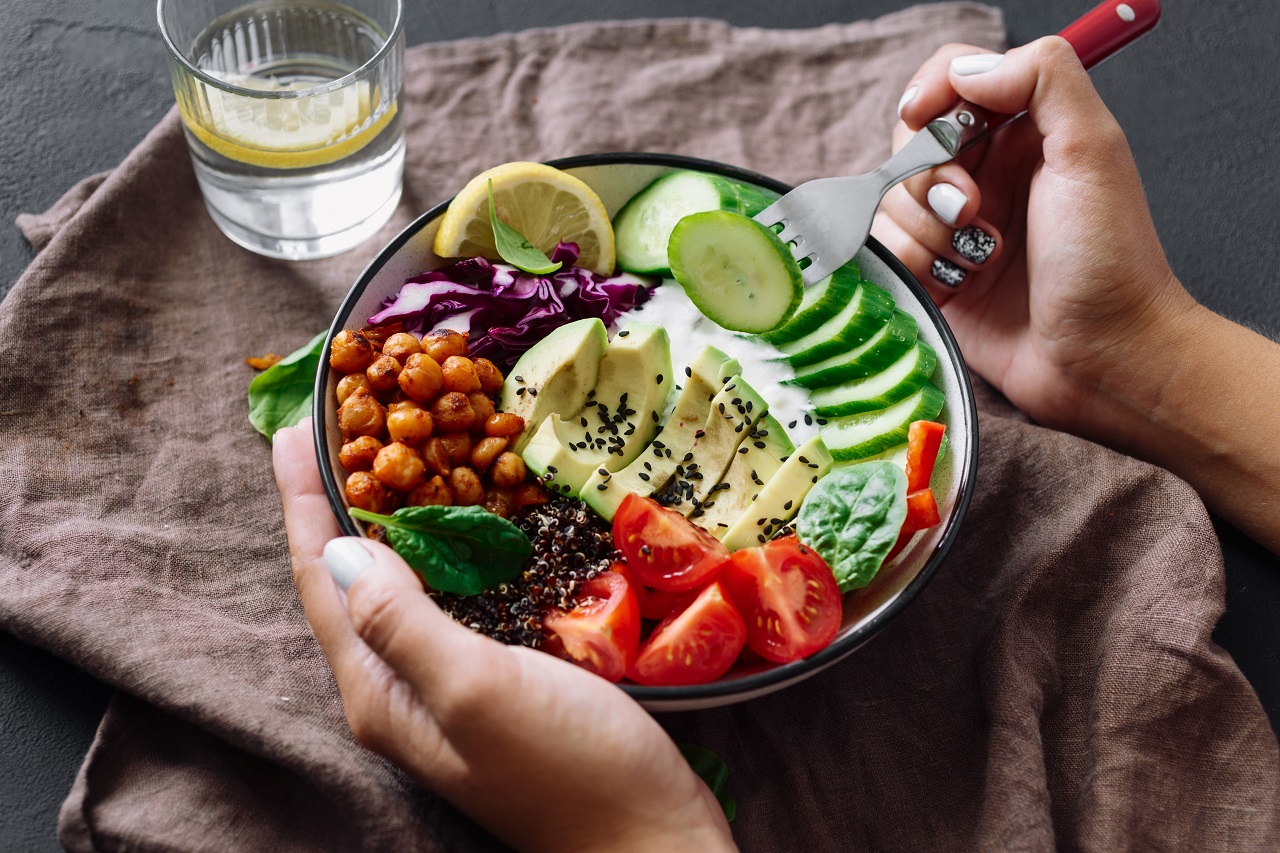
What truly matters is portion size. Overeating any carbohydrate-rich foodwhether it is rice or chapathican lead to excess calorie consumption and, over time, contribute to weight gain, insulin resistance, and poor blood sugar controlall of which are key risk factors for NCDs. Instead of eliminating rice from the diet, it is more practical and beneficial to control the quantity consumed. A balanced meal should ideally include a generous portion of vegetables, a source of protein such as dal, pulses, eggs, or meat, and a moderate portion of carbohydrates. In simple terms, rice or chapathi should occupy only a part of your plate, not the majority of it.
Another important aspect of nutrition that is often overlooked in the discussion about carbohydrates is the role of fats, particularly essential fatty acids. While many people focus on reducing carbs, they tend to ignore the importance of including healthy fats in their diet. Essential fatty acids are fats that the body cannot produce on its own and must be obtained through food. These include omega-3 and omega-6 fatty acids, both of which play a crucial role in maintaining overall health.
Essential fatty acids are vital for proper brain function, heart health, and reducing inflammation in the body. They also support hormonal balance and contribute to healthy skin and hair. In the context of rising NCDs, their role becomes even more significant, as they help in improving lipid profiles and reducing the risk of cardiovascular diseases. However, modern diets often contain excessive omega-6 fatty acids and very little omega-3, leading to an unhealthy imbalance.
Foods rich in omega-3 fatty acids include flaxseeds, walnuts, and fatty fish such as sardines and mackerel. Omega-6 fatty acids are commonly found in vegetable oils, nuts, and seeds. The key is not to consume these in excess, but to maintain a healthy balance between them as part of a varied diet.
The increasing burden of NCDs highlights a critical issuenot just what people eat, but what they understand about what they eat. Many dietary decisions are influenced by myths, social media trends, or incomplete knowledge rather than scientific evidence. This lack of awareness leads to unnecessary food restrictions on one hand and poor dietary habits on the other.
There is an urgent need to shift focus from “which food to avoid” to “how to eat properly and balanced.” Public health efforts must emphasize nutrition education, helping individuals understand portion sizes, balanced meals, and the importance of including all essential nutrients in their daily diet.
Ultimately, healthy eating is not about completely avoiding certain staple foods or replacing one with another based on popular beliefs. Rice is not inherently unhealthy, and chapathi is not a guaranteed solution for weight loss. Both can be part of a nutritious diet when consumed in appropriate portions. The focus should always be on balancecombining carbohydrates, proteins, healthy fats, and plenty of vegetables in the right proportions.
Understanding this is not just important for individual healthit is essential for addressing the growing epidemic of non-communicable diseases in India. When people are empowered with the right knowledge, they are more likely to make informed, sustainable choices that protect their health in the long run.
About the Author:
Vaishnavi N is Junior Research Fellow at the Department of Public Health, Yenepoya Deemed to be University