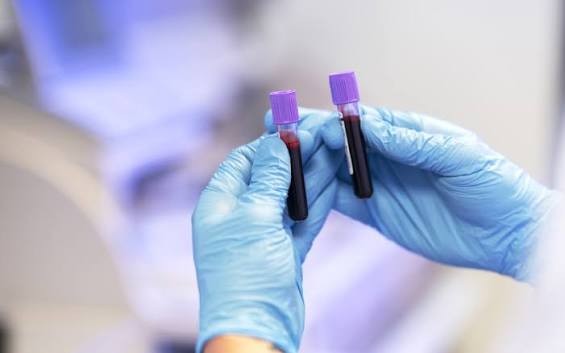
Regular blood tests are an essential part of preventive healthcare. Many health conditions develop silently without noticeable symptoms, and routine blood investigations can help detect these problems at an early stage. Early diagnosis often allows timely treatment, prevents complications, and improves long-term health outcomes.
Blood carries oxygen, nutrients, hormones, and immune cells throughout the body. Because it reflects the functioning of major organs, laboratory analysis provides valuable information about a person's overall health. Physicians commonly recommend routine blood tests during annual health check-ups, before surgery, during pregnancy, or when monitoring chronic diseases.
One of the most frequently performed investigations is the complete blood count (CBC). It measures red blood cells, white blood cells, hemoglobin, hematocrit, and platelets. A CBC helps identify anemia, infections, inflammation, and certain blood disorders. Detecting anemia early can prevent fatigue, poor concentration, and complications during pregnancy or chronic illness.
Blood glucose testing is another important investigation. Fasting blood sugar and HbA1c help identify diabetes and prediabetes. Lipid profile testing measures cholesterol and triglycerides to assess cardiovascular risk. Liver and kidney function tests evaluate vital organ health, while thyroid function tests and vitamin assessments detect hormonal imbalances and nutritional deficiencies.
Inflammatory markers may help detect infections and inflammatory conditions. Test results should always be interpreted by qualified healthcare professionals, as factors such as age, medications, and hydration can influence values.
Healthy adults may benefit from routine blood testing every one to three years, whereas individuals with chronic diseases may require more frequent monitoring. Following pre-test instructions, such as fasting when advised, helps ensure accurate results.
Regular blood tests support early disease detection, monitor ongoing treatment, evaluate organ function, and encourage healthier lifestyle choices. Combined with balanced nutrition, physical activity, adequate sleep, and regular medical consultations, they are a cornerstone of preventive healthcare.